Timetable & Fares
View our timetable and fare information to help your plan your trip on the 'Steamers'.

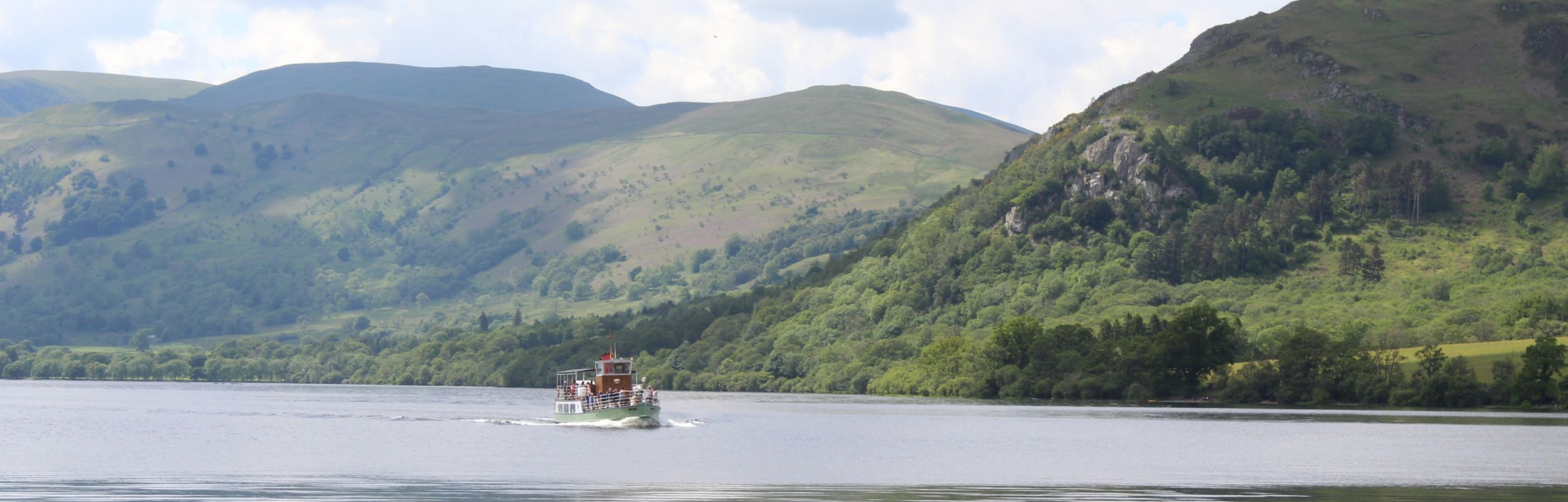
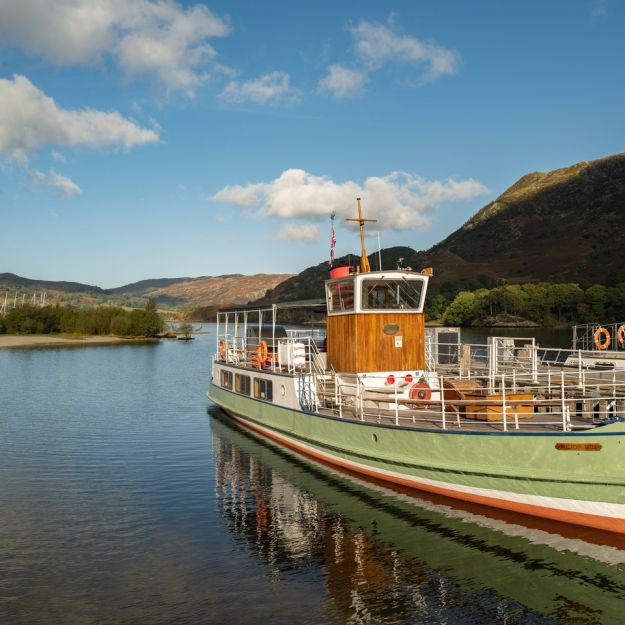
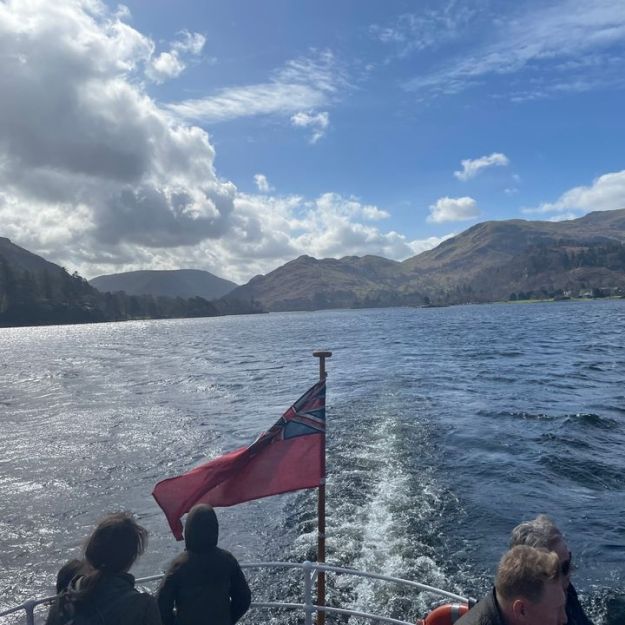
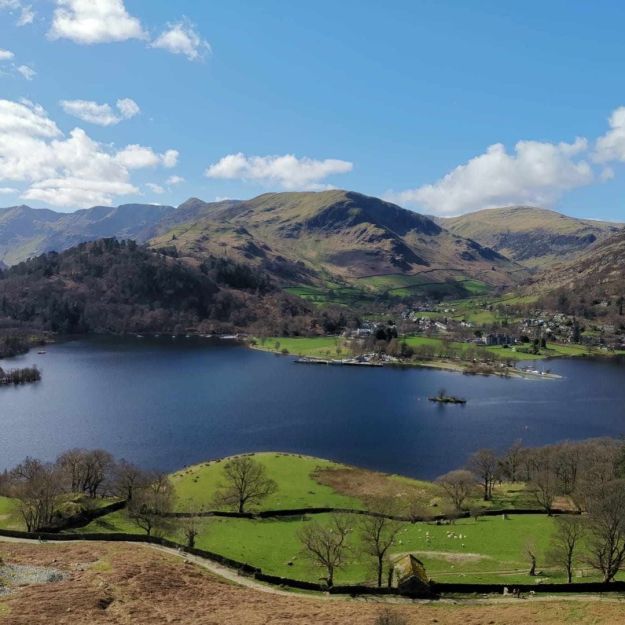
Ullswater ‘Steamers’ is a dog-friendly Lake District visitor attraction that offers the perfect day out for the whole family. We operate a variety of cruises linking iconic walking routes, waterfalls, and Lakeland villages from 20 minutes to two hours dependent on your choice of journey. Open 363 days a year except Christmas Eve and Christmas Day.
Good things to know about Ullswater ‘Steamers’:
Enjoy a car-free visit to the Ullswater Valley with the return of the 'Ullswater Bus', a minibus service in the valley connecting key hotspots! Every sustainable choice contributes to preserving the natural beauty of the Lake District and Cumbria.
Find out more about the 'Ullswater Bus' here.

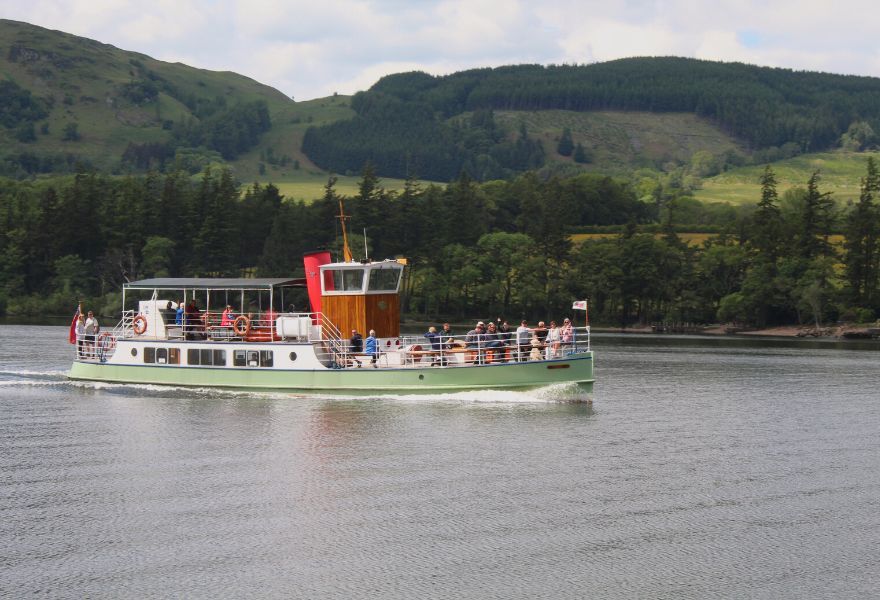
View our timetable and fare information to help your plan your trip on the 'Steamers'.

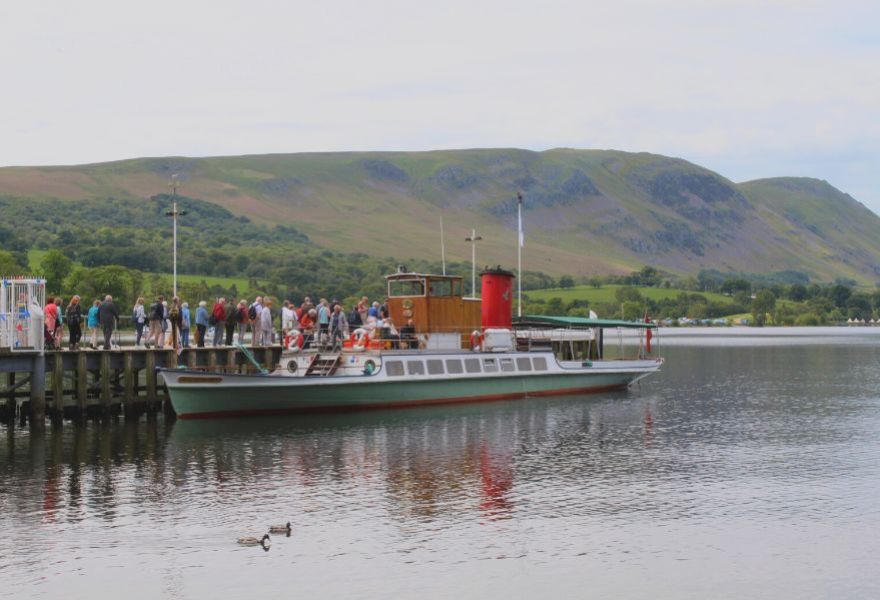
Book tickets for Ullswater 'Steamers' and get a date in your diary to come and join us for a trip on one of our heritage boats.
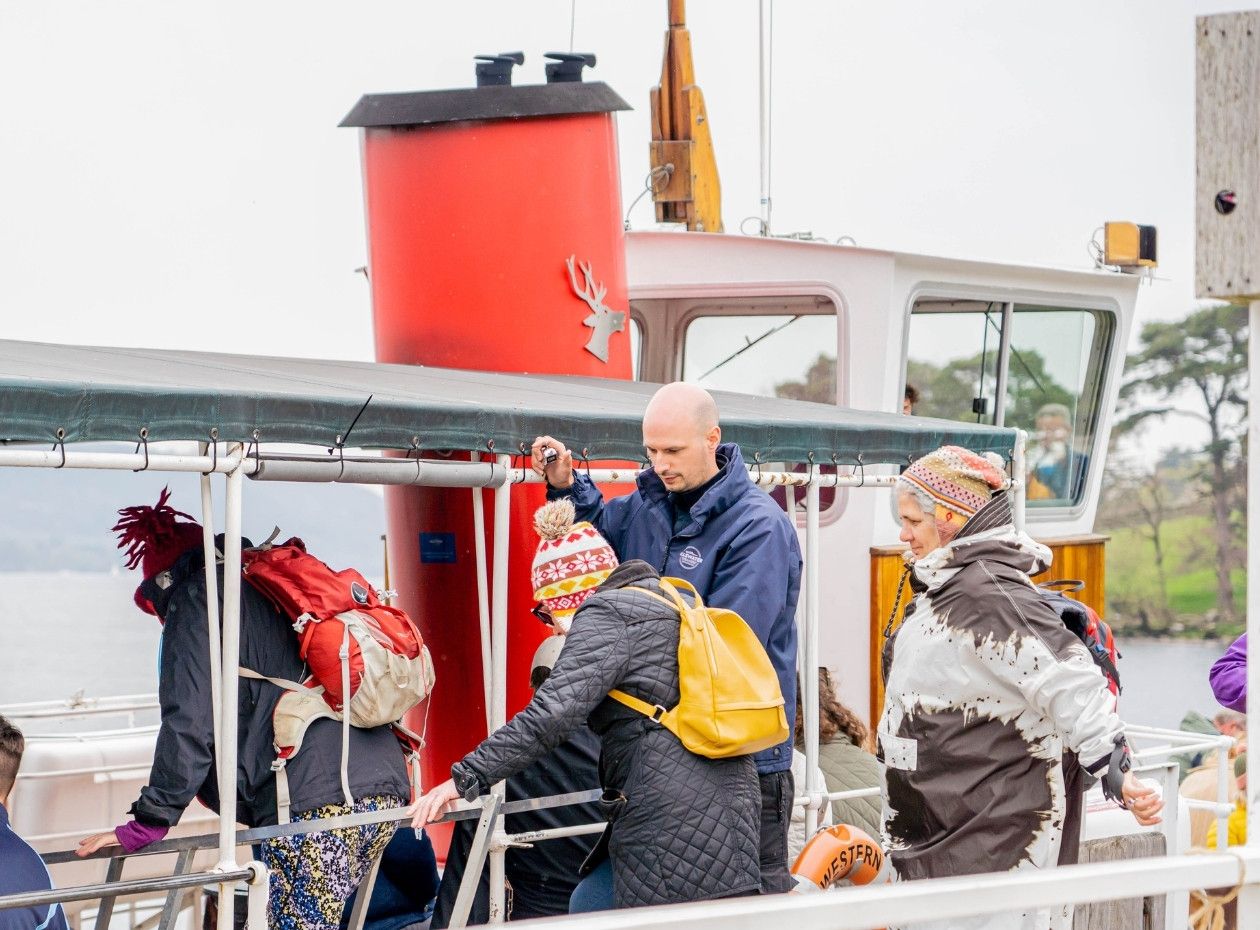
Read through our pre-arrival information and FAQs to ensure you're prepared for your visit to Ullswater 'Steamers'.
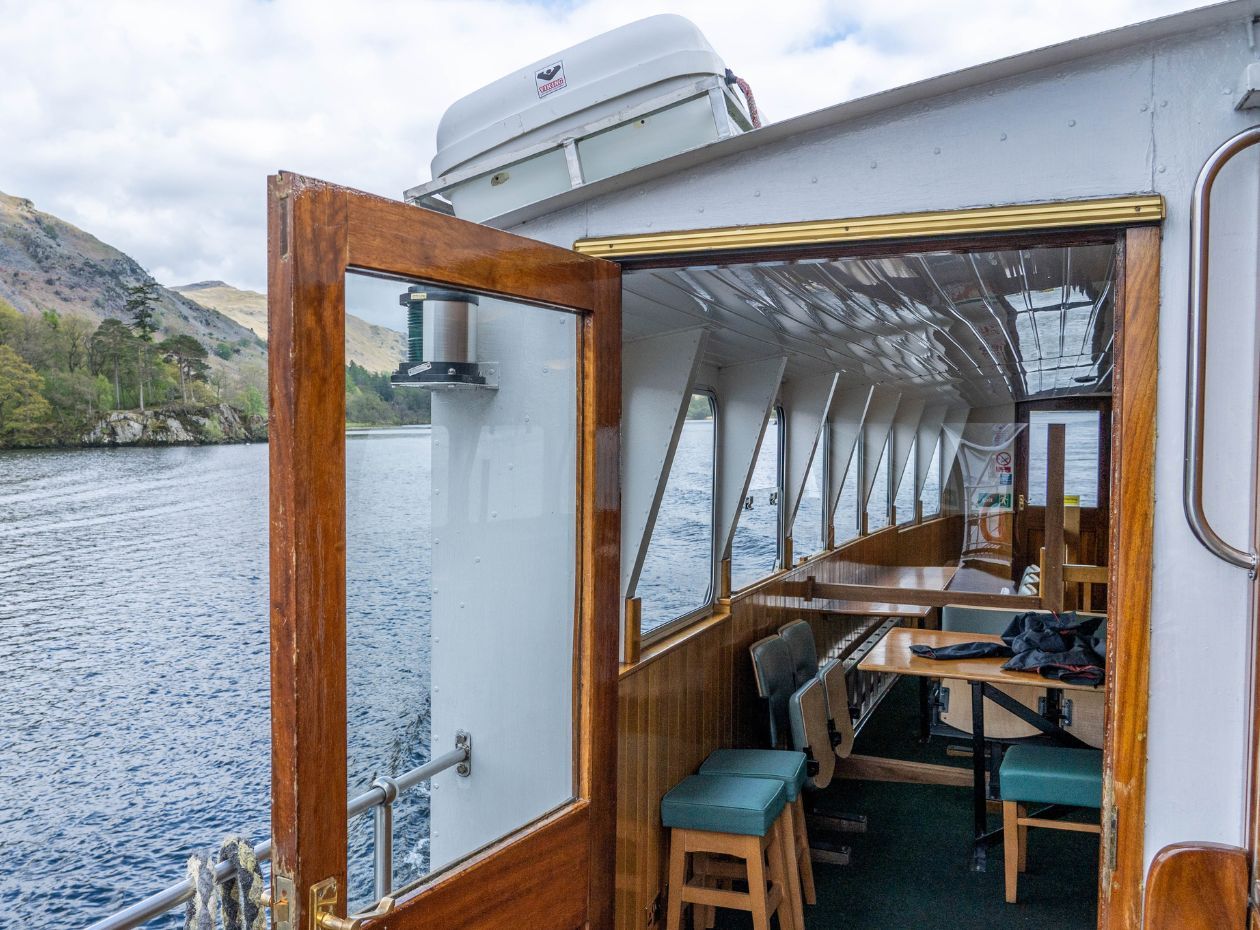
Discover more about the facilities that you can expect to find when visiting us here in Ullswater, whether it be on our boats or at one of our 4 piers.
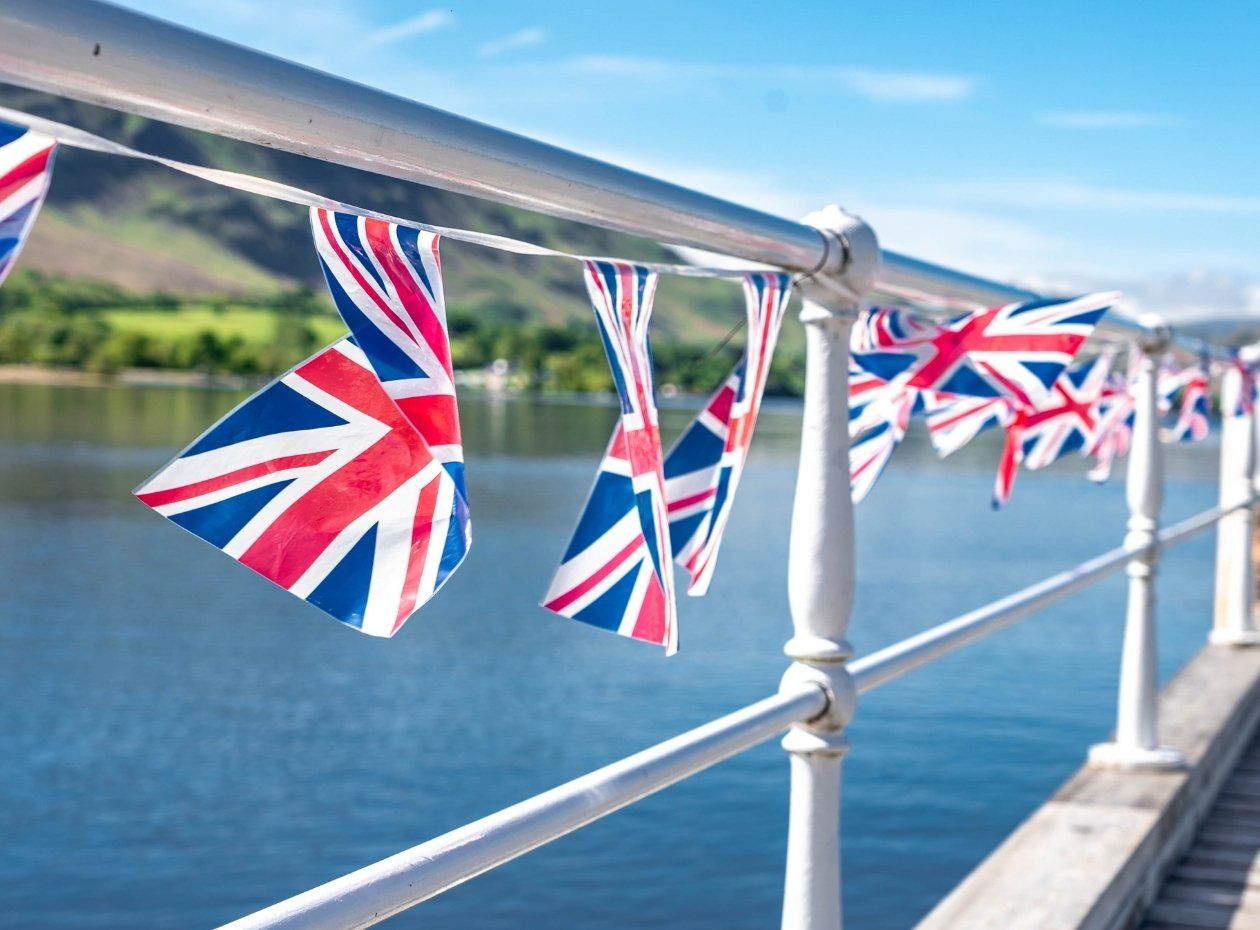
Our special events calendar provides the opportunity to enjoy a range of out-of-the-ordinary experiences on Ullswater, making your trip to the valley a memorable one. Whether it be tasting the finest local gins, or enjoying a traditional fish and chips supper on board, we've got something for people of all ages and interests!

Make your trip to Ullswater that extra bit special with one of our optional extras. Whether it be adding an extra 'sparkle' to your cruise, or delving deeper into the history and heritage of Ullswater with your very own visitor guide, our gift experiences are the perfect addition to a trip to the Lakes.
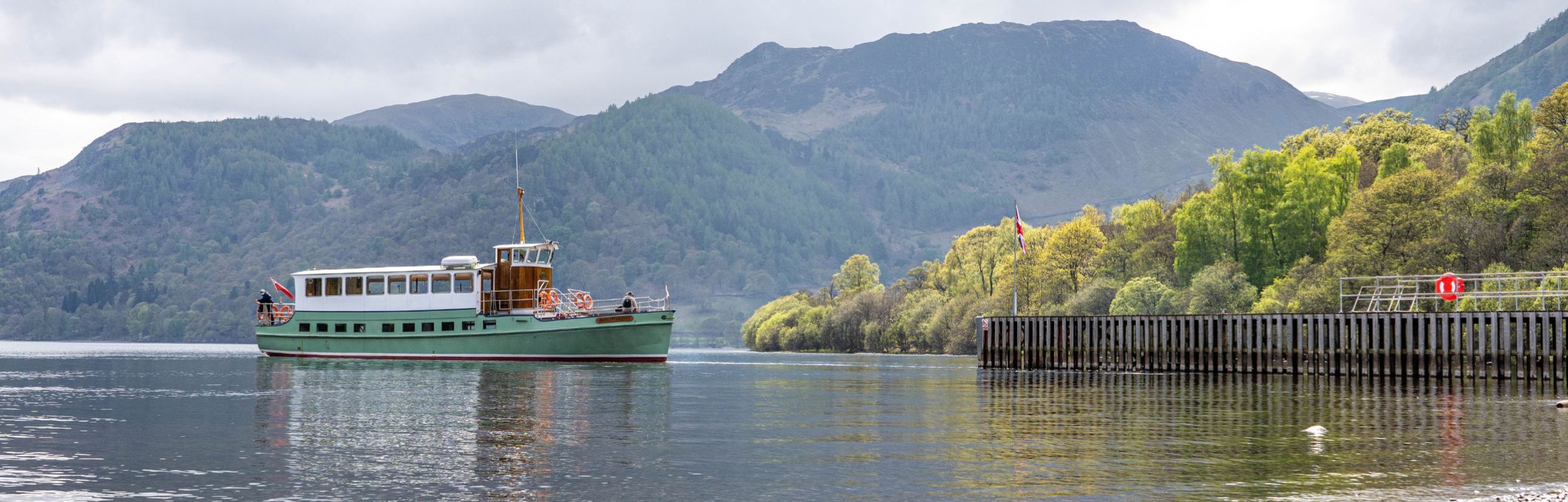
Book a trip on one of our heritage vessels to experience the stunning Ullswater Valley by boat










Share your experience using #UllswaterSteamers

Friday, 19th April - for operational reasons, we are unable to run the following services:
10:00 Glenridding to Aira Force; 10:30 Aira Force to Glenridding
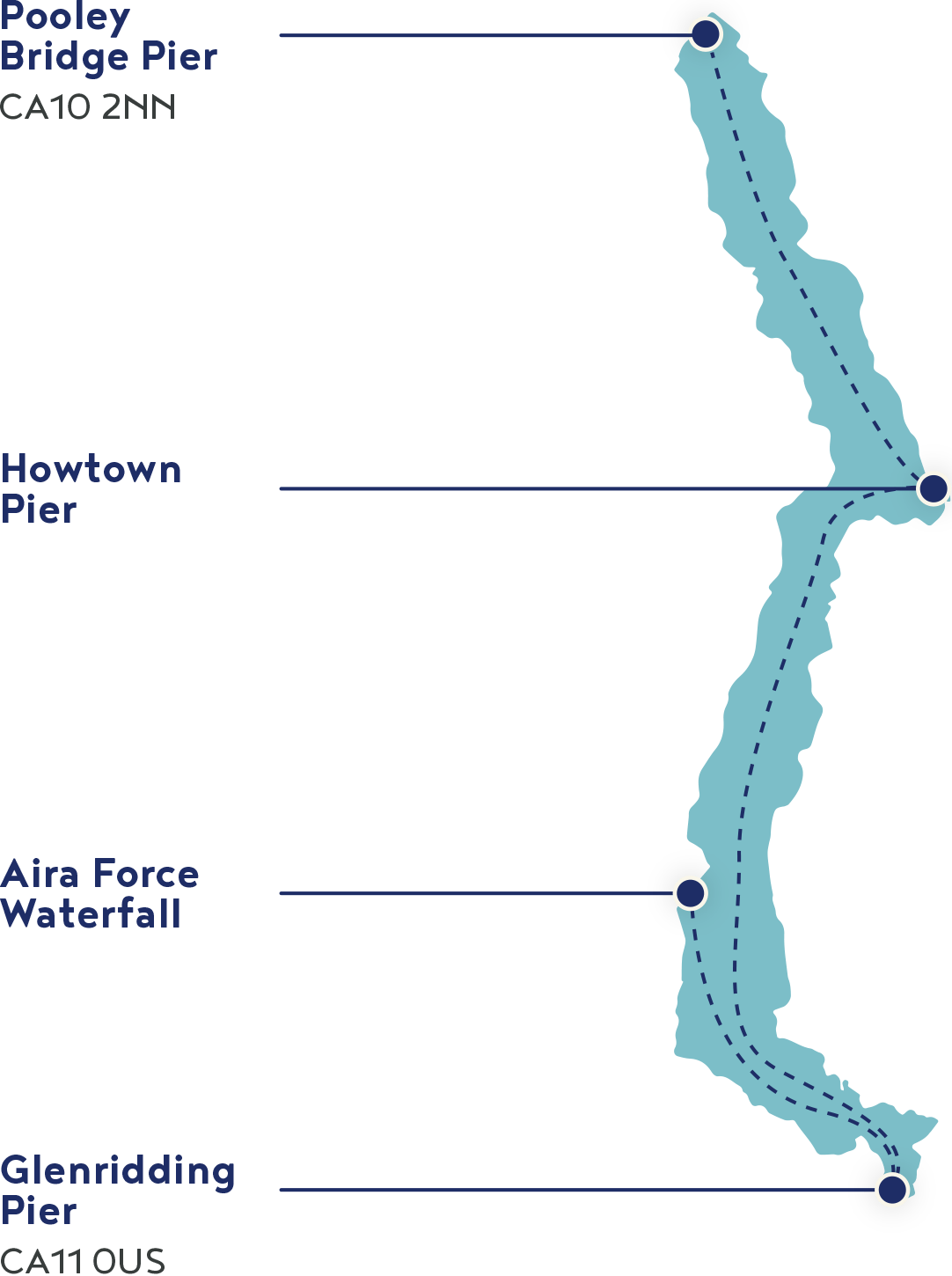
Howtown Pier is currently closed for essential structural works.
There will be no vessels calling at Howtown between Monday 15th April and Friday 19th April, inclusive.
We anticipate the pier reopening on Saturday, 20th April.